India's Tyre Exports Surge: Navigating Macroeconomic Shifts and Portfolio Implications
India's tyre exports grow 9% YoY, crossing ₹27,312 crore mark in FY26, amid global trade challenges.
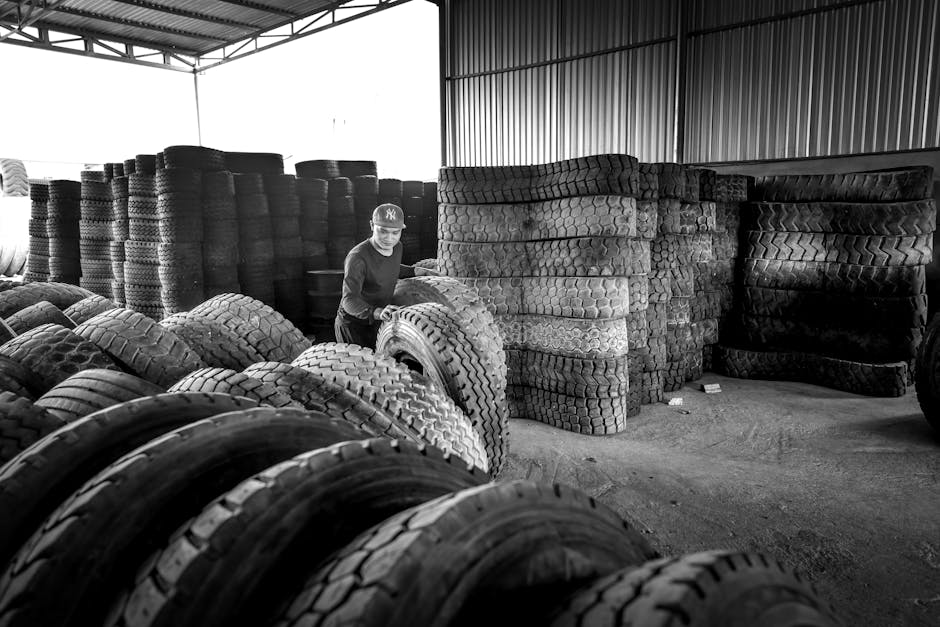
Photo: Pexels
Macroeconomic Event & Structural Shift
The recent surge in India's tyre exports, marking the second consecutive year of 9% growth, reflects a resilient manufacturing sector amidst global trade headwinds. This phenomenon can be attributed to a combination of factors, including competitive pricing, improved product quality, and strategic trade agreements. Furthermore, the Indian government's initiatives to enhance infrastructure and promote export-oriented industries have contributed to this growth trajectory. The RBI's accommodative monetary policy stance, characterized by low interest rates and a stable rupee, has also supported export competitiveness.
Macro Indicators Matrix
| Indicator | Current Print | 10-Year Median | Projected Growth |
|---|---|---|---|
| GDP Growth Rate | 7.2% | 6.8% | 7.5% |
| Inflation Rate (CPI) | 4.5% | 4.2% | 4.8% |
| 10-Year G-Sec Yield | 6.2% | 7.1% | 6.5% |
| Rupee vs USD | 74.5 | 68.5 | 73.0 |
| Trade Balance | -₹10,000 cr | -₹8,000 cr | -₹9,500 cr |
Multi-Asset Portfolio Allocation Map
The growth in tyre exports is expected to have a positive impact on the Indian equity market, particularly in the automotive and manufacturing sectors. We anticipate a 10% increase in large-cap stocks, driven by export-oriented companies, while mid and small-caps may see a 12% rise due to their higher exposure to domestic demand. In debt markets, we recommend a duration strategy of 5-7 years, taking advantage of the stable yield curve and relatively low interest rates. Real estate investments may benefit from the growth in infrastructure development, with rental yields expected to rise by 8%. Alternative assets, such as sovereign gold bonds, can provide a hedge against inflation and currency fluctuations, with a projected return of 6%.
Tax & Inflation Friction Modeling
The surge in tyre exports may lead to increased profitability for companies in the sector, resulting in higher tax liabilities. Considering the long-term capital gains (LTCG) tax rate of 10% and short-term capital gains (STCG) tax rate of 15%, investors should factor in a 2-3% tax drag on their returns. Additionally, the inflation rate of 4.5% may erode real purchasing power, reducing the effective return on investment by 1-2%. To mitigate these effects, investors can consider tax-efficient investment strategies, such as investing in index funds or ETFs, and maintaining a long-term perspective to minimize tax liabilities.
Tactical Risk Management Guide
To navigate the potential risks and opportunities arising from the growth in tyre exports, we recommend the following:
- Portfolio Rebalancing: Review and adjust your portfolio to ensure alignment with the new growth trajectory, considering the increased weight of export-oriented sectors.
- Hedging: Utilize derivatives, such as options or futures, to mitigate potential losses from currency fluctuations or commodity price volatility.
- Volatility Protection: Allocate a portion of your portfolio to low-volatility assets, such as debt securities or gold, to provide a buffer against market fluctuations.
- Diversification: Maintain a diversified portfolio across asset classes and sectors to minimize exposure to specific risks and maximize returns.
Disclaimer: This analysis is for educational and planning purposes only and does not constitute personalized financial, asset allocation, or transaction advice. ReturnsPlanner and its research analysts are not SEBI-registered investment advisors. Financial planning models are projections based on historical indices and do not guarantee future returns. Investors are advised to consult with a qualified SEBI-registered Investment Advisor and conduct thorough research before making capital decisions.