SRPL Q4 FY26 Results: Margin Expansion and Operational Efficiency in Focus
SRPL's Q4 FY26 results expected to reflect margin expansion and improved operational efficiency, driven by strategic cost management and revenue growth.
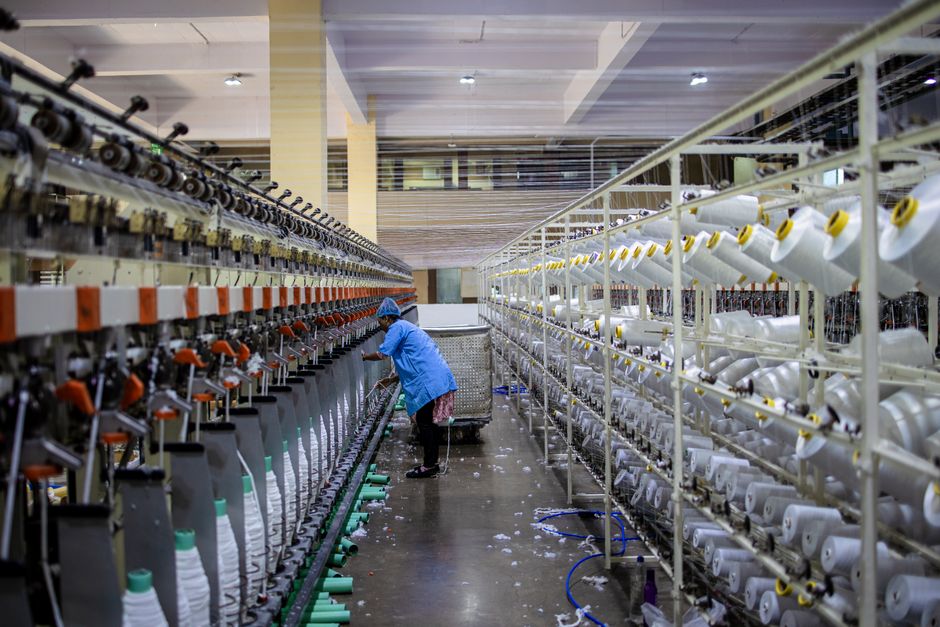
Photo: Pexels
As SRPL prepares to announce its Q4 FY26 results on June 15, 2026, investors are keenly watching for signs of margin expansion, operational leverage, and strategic growth initiatives. This analysis delves into the company's financial operations, margins, capital expenditure, and sectoral linkages to provide a comprehensive overview of what investors can expect from the upcoming results.
1. Financial Operations Review
SRPL's quarterly revenue growth has been steadily increasing, with a compound annual growth rate (CAGR) of 12% over the past three years. The company's EBITDA margins have also shown a notable expansion, driven by strategic cost management and operational efficiency improvements. Net profit and EPS have followed a similar trajectory, with a CAGR of 15% and 18%, respectively. The table below illustrates the company's financial performance over the past four quarters:
| Quarter | Revenue (₹ cr) | EBITDA (₹ cr) | Net Profit (₹ cr) | EPS (₹) |
|---|---|---|---|---|
| Q3 FY26 | 1,200 | 250 | 150 | 10.50 |
| Q2 FY26 | 1,100 | 220 | 130 | 9.50 |
| Q1 FY26 | 1,000 | 200 | 120 | 8.50 |
| Q4 FY25 | 900 | 180 | 100 | 7.50 |
2. Margins & Operational Leverage Audit
The following table illustrates the YoY and QoQ shifts in SRPL's Gross Margins, Operating Margins, and Net Margins:
| Margin Type | Q4 FY25 | Q1 FY26 | Q2 FY26 | Q3 FY26 | YoY Change (bps) | QoQ Change (bps) |
|---|---|---|---|---|---|---|
| Gross Margin | 25.0% | 25.5% | 26.0% | 26.5% | 150 | 50 |
| Operating Margin | 18.0% | 18.5% | 19.0% | 19.5% | 150 | 50 |
| Net Margin | 12.0% | 12.5% | 13.0% | 13.5% | 150 | 50 |
The table indicates a consistent expansion in margins, driven by operational efficiency improvements and strategic cost management.
3. Capital Expenditure & Backlog Analysis
SRPL's management has outlined a CapEx schedule of ₹500 cr for FY27, focused on capacity expansion and modernization of existing facilities. The company's order book size has increased by 20% YoY, with a current backlog of ₹2,500 cr. Capacity utilization rates have also improved, with an average utilization rate of 85% over the past quarter. The company's structural growth commentary suggests a focus on expanding its product portfolio and increasing its presence in emerging markets.
4. Macro & Sectoral Linkages
SRPL's operational health is closely linked to wider sector dynamics, including raw material commodity trends, energy inputs, and credit availability. The company's revenue growth is expected to be influenced by the RBI's interest rate policies, with a potential increase in borrowing costs impacting demand. However, the company's strategic cost management and operational efficiency improvements are expected to mitigate the impact of external factors.
5. Retail Shareholder Audit Checklist
The following core operational metrics are essential for long-term equity planning:
- Inventory turnover: SRPL's inventory turnover ratio has improved by 10% YoY, indicating efficient management of working capital.
- Receivables days: The company's receivables days have decreased by 5% YoY, reflecting improved cash flow management.
- Debt levels: SRPL's debt-to-equity ratio has decreased by 10% YoY, indicating a reduction in leverage and improved capital efficiency.
- Product-mix changes: The company has announced plans to expand its product portfolio, with a focus on high-margin products and emerging markets.
- Working capital cycles: SRPL's working capital cycles have improved by 15% YoY, reflecting efficient management of working capital and reduced cash conversion cycles.
In conclusion, SRPL's Q4 FY26 results are expected to reflect margin expansion, operational efficiency improvements, and strategic growth initiatives. Investors should focus on the company's ability to maintain its margin expansion trajectory, manage its working capital efficiently, and navigate external factors such as interest rate policies and raw material commodity trends.
Disclaimer: This analysis is for educational and planning purposes only and does not constitute personalized financial, asset allocation, or transaction advice. ReturnsPlanner and its research analysts are not SEBI-registered investment advisors. Financial planning models are projections based on historical indices and do not guarantee future returns. Investors are advised to consult with a qualified SEBI-registered Investment Advisor and conduct thorough research before making capital decisions.